

How to Order Food in China: A Practical Guide for Travelers
Ordering food in China can feel intimidating at first—especially if you don’t speak Chinese. The good news? With a few simple tricks, some cultural tips, and the right tools, eating in China can be one of the most fun and delicious parts of your trip.
This guide is written for first-time visitors and independent travelers, and it works whether you’re dining in a local restaurant, a food court, or ordering delivery.
1. Understand the Main Ways to Order Food in China
1) Ordering from a Paper Menu
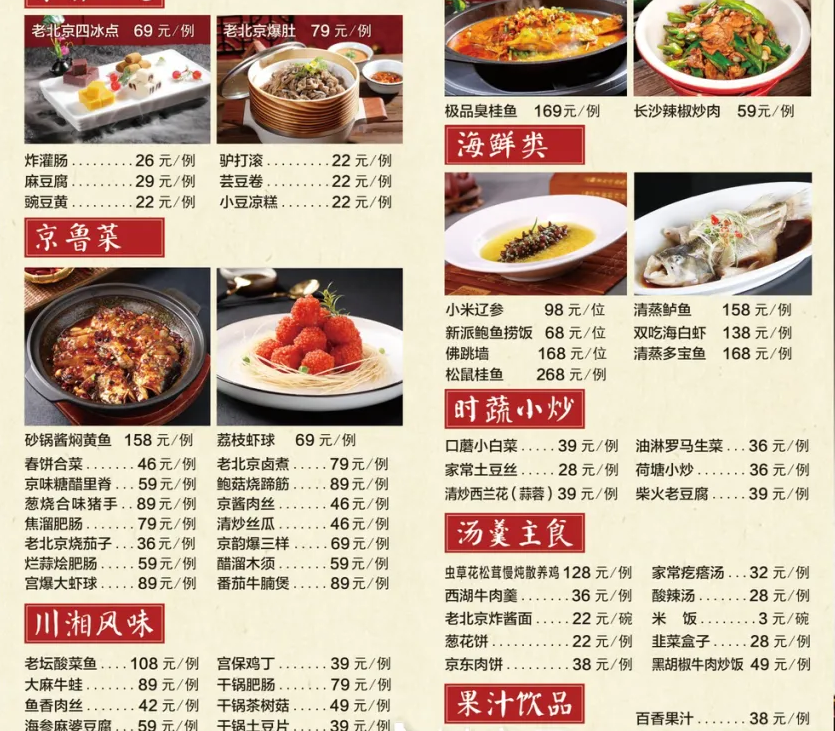
In traditional restaurants, you may receive a paper menu with Chinese characters and photos.
Tips:
l Look for pictures—very common and super helpful.
l Pointing is perfectly acceptable.
l Many menus have numbers next to dishes. You can say the number instead of the name.
Example:
“This one, please.” (Pointing works just fine)
2) Ordering by QR Code (Very Common)
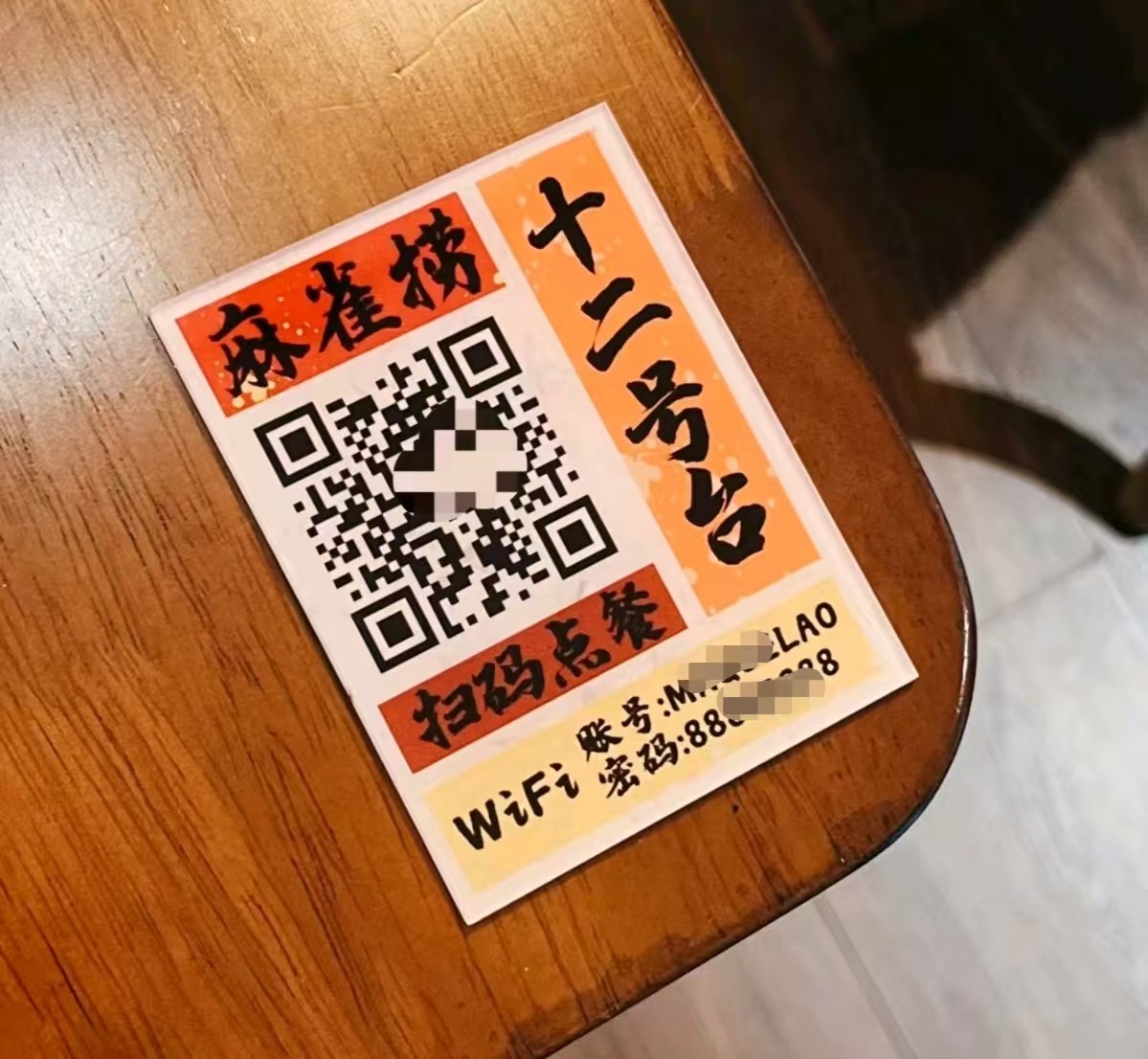
In most modern restaurants, you’ll see a QR code on the table.
How it works:
1. Scan the QR code with WeChat or Alipay
2. A digital menu opens (often with photos)
3. Select dishes and quantities
4. Confirm and pay directly on your phone
Good to know:
l Many digital menus have an English option or pictures
l Staff can help if you’re unsure—just ask
3) Ordering at Small Local Restaurants
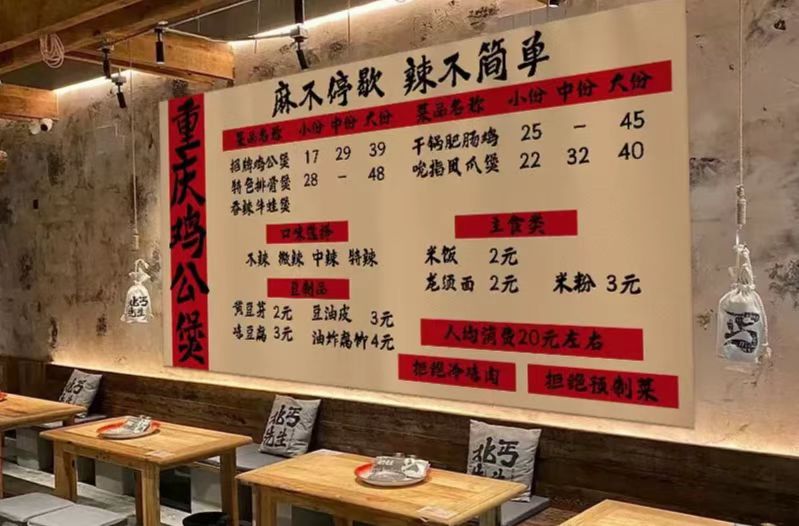
Smaller eateries may not have English menus, but they are often the most authentic.
What helps:
l Dishes are sometimes displayed on the wall
l Ingredients may be shown near the counter
l Locals often eat there—always a good sign!
Pointing, smiling, and simple words go a long way.
2. Useful Chinese Words for Ordering Food
You don’t need to be fluent—just a few phrases help a lot:
Chinese | Pinyin | Meaning |
这个 | Zhè ge | This one |
那个 | Nà ge | That one |
我要这个 | Wǒ yào zhè ge | I want this |
不辣 | Bù là | Not spicy |
微辣 | Wēi là | A little spicy |
辣 | Là | Spicy |
买单 | Mǎi dān | Check, please |
Tip: Showing the phrase on your phone also works!
3. How to Handle Spicy Food ��️
Chinese food varies a lot by region.
l Very spicy: Sichuan, Chongqing, Hunan
l Mild & savory: Beijing, Shanghai, Cantonese cuisine
If you don’t eat spicy food, always say:
“Bù là” (不辣)
If you want just a little heat:
“Wēi là” (微辣)
4. Ordering Food with Dietary Restrictions
Vegetarian
Vegetarian food is available but not always obvious.
Useful phrase:
“Wǒ chī sù” (我吃素) – I’m vegetarian
Ask clearly if you avoid:
l Meat broth
l Pork or chicken oil
Allergies
Food allergies are taken seriously, but you must explain clearly.
Example:
“Wǒ duì huāshēng guòmǐn” (我对花生过敏),I’m allergic to peanuts
Tip: Carry allergy information written in Chinese on your phone.
5. How Payment Works in Restaurants
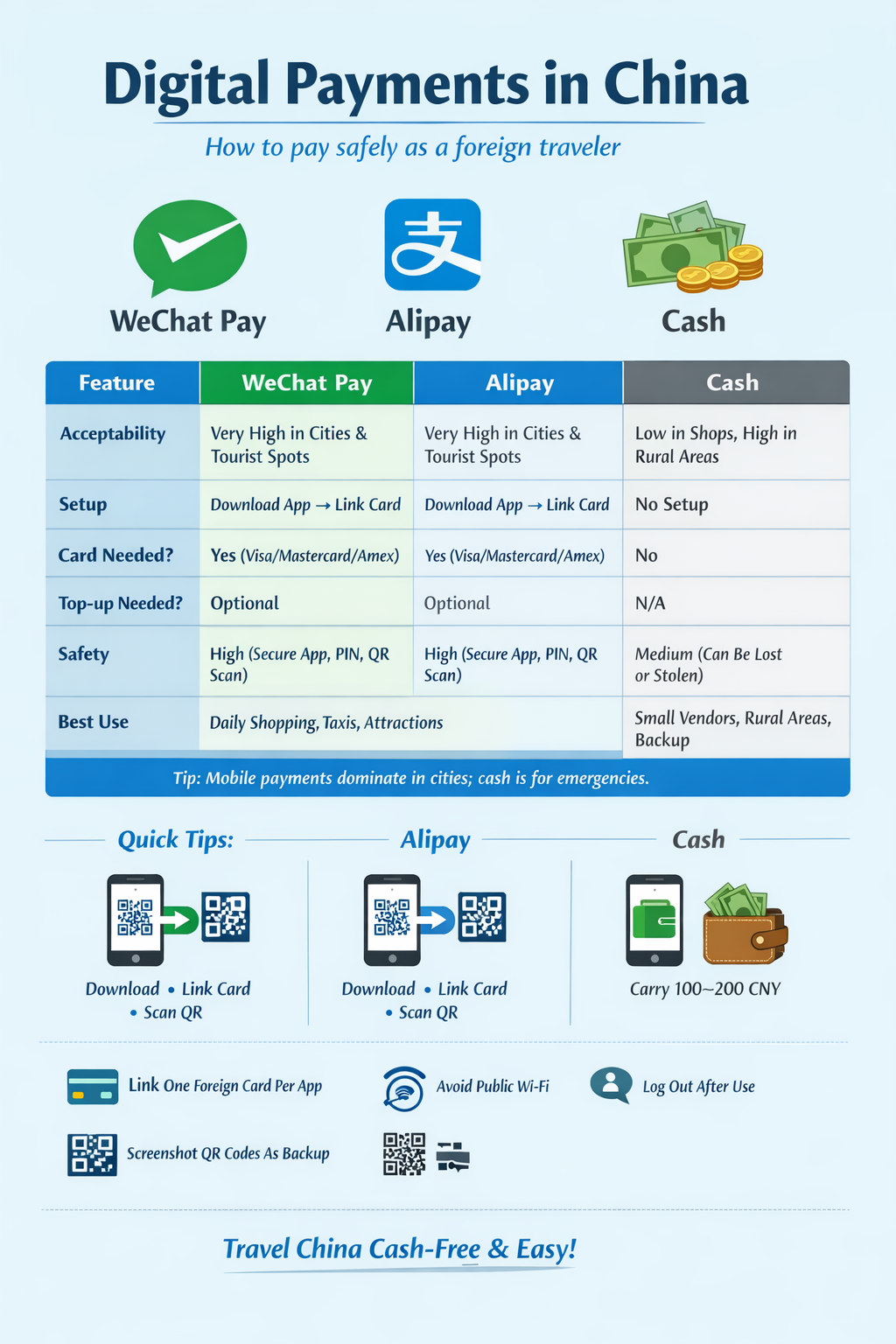
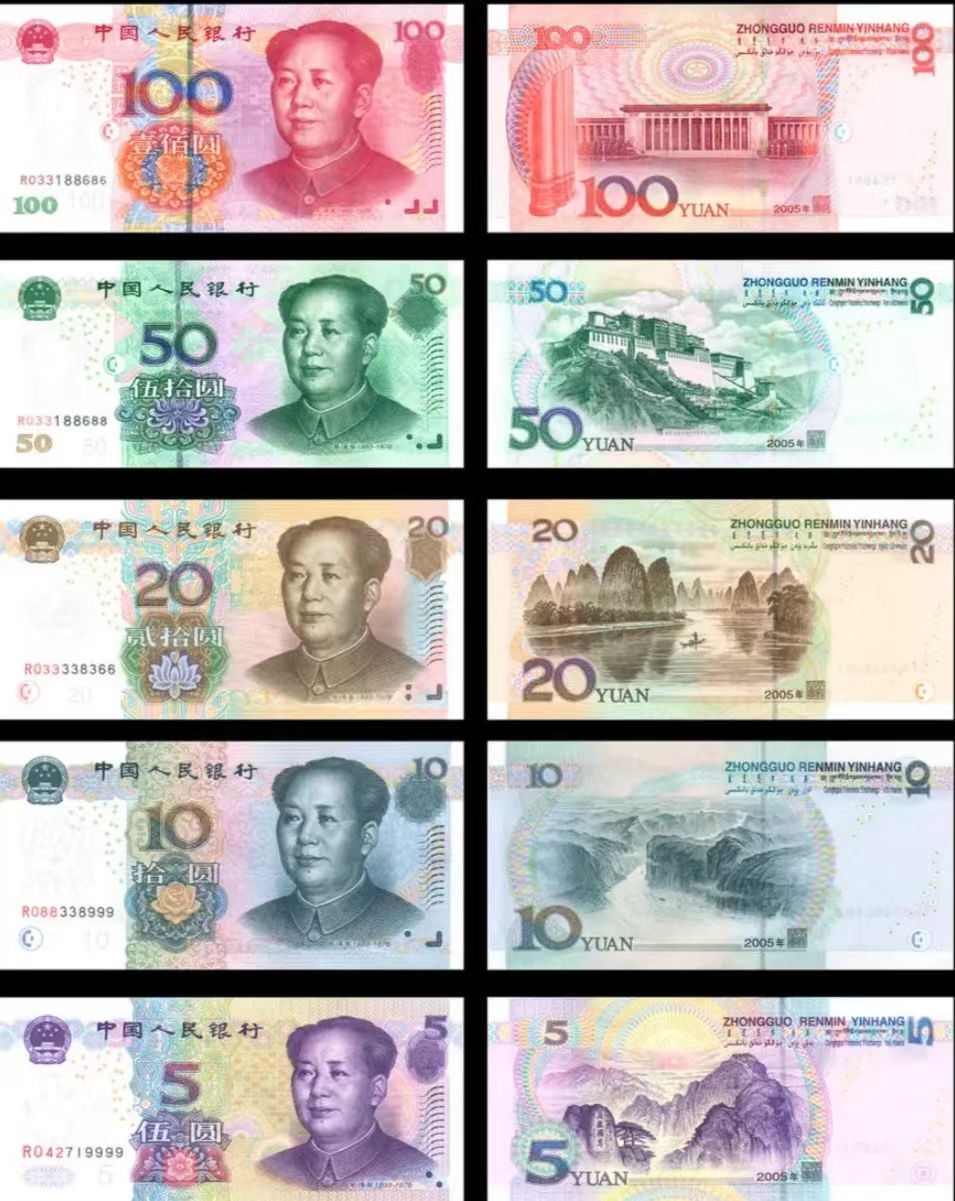
China is largely cashless.
Accepted methods:
l WeChat Pay
l Alipay (foreign cards supported)
l Cash (still accepted, but less common)
In many places:
l You pay before eating or directly in the app
l No tipping required (and not expected)
6. Food Courts & Malls: The Easy Option
If you’re nervous about ordering, food courts are a great start.
Why they’re easy:
l Picture menus
l Clear pricing
l Staff used to tourists
l English is more common
Perfect for your first meals in China
7. Local Dining Etiquette (Quick Tips)
l Sharing dishes is normal—meals are communal
l Use serving spoons if provided
l Slurping noodles is okay
l Don’t stick chopsticks upright in rice (it’s unlucky)
7.5 A Real-Life Example: Ordering Food Step by Step
Imagine this:
You walk into a small local restaurant in Beijing near your hotel. The place is busy, full of locals—always a good sign.
1. You sit down and notice a QR code on the table.
2. You scan it with WeChat or Alipay, and a menu with photos pops up.
3. You choose a noodle dish and tap “微辣 (a little spicy)”.
4. The food arrives in 5 minutes—hot, fresh, and delicious.
5. When you’re done, payment is already completed in the app. Easy.
No Chinese spoken. No stress. Just good food.
8. Common Mistakes First-Time Travelers Make (and How to Avoid Them)
Even experienced travelers make these mistakes in China:
l ❌ Not saying spice level → Always say bù là (not spicy) if needed
l ❌ Ordering too many dishes → Portions are often large and shared
l ❌ Expecting individual meals → Sharing dishes is normal
l ❌ Looking for cold water → Hot water is common and healthy here
l ❌ Waiting for the bill → Often you pay upfront or via QR code
Knowing these in advance makes dining much smoother.
9. Want a Stress-Free Food Experience?
Traveling with a private guide makes dining effortless:
l Your guide orders for you
l Explains ingredients and flavors
l Recommends trusted local restaurants
l Helps avoid tourist traps
At Leo’s Private Tour, our guides love introducing guests to authentic Chinese cuisine—safely, comfortably, and deliciously.
Let us handle the ordering, so you can focus on enjoying every bite.
10. Frequently Asked Questions (FAQ)
Q: Is it safe to eat street food in China?
A: Yes—especially at busy stalls with high turnover. Follow your guide’s advice and trust popular spots.
Q: Do restaurants accept credit cards?
A: Mobile payments (WeChat Pay & Alipay) are most common. Cash is still accepted. Credit cards are less common in small restaurants.
Q: What if I don’t speak Chinese at all?
A: Photos, pointing, and QR-code menus make it very easy. No Chinese is required.
Q: Can I ask for a fork?
A: Yes! Forks are usually available—just ask or point.
Final Tip
Don’t be afraid to try new things. Even if you don’t know the name, some of the best meals in China come from simply pointing at a photo and saying:
“Zhè ge!” (This one!)
Happy eating in China!



.png)